What Is Binance Chinese Version? A Deep Dive Into the Platform and Its Key Features
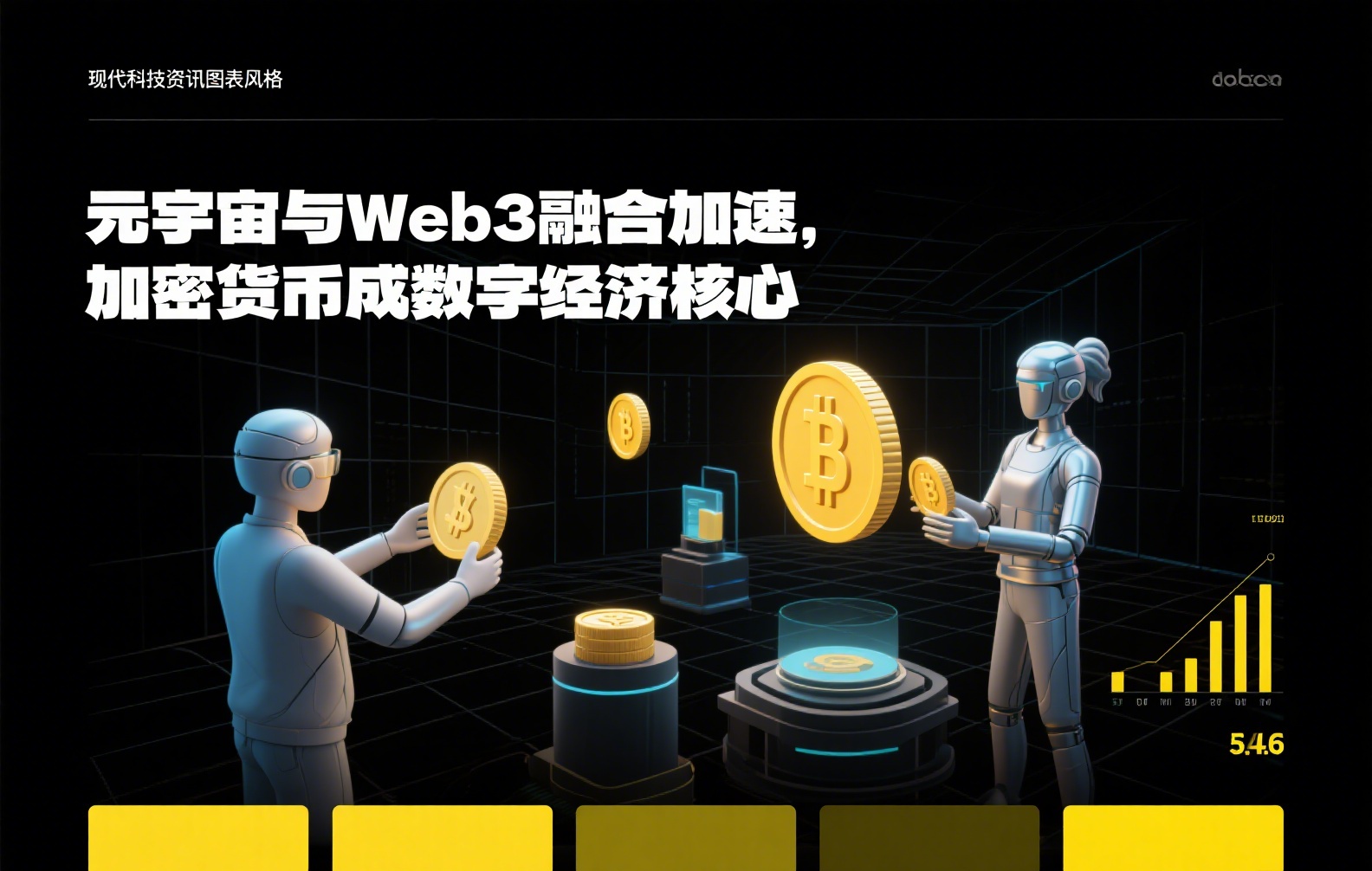
Binance is widely recognized as the world’s largest cryptocurrency exchange by trading volume, offering a comprehensive suite of digital asset services. However, many users specifically search for the "Binance Chinese version" (币安中文版) due to language preferences or regional access concerns. This article provides a clear, search-engine-friendly explanation of what the Binance Chinese version is, how it differs from the global platform, and what users should know before using it.
First, it is important to understand that Binance, as a global entity, does not currently operate a separate, officially sanctioned exchange within mainland China due to regulatory restrictions. The term "Binance Chinese version" generally refers to the Binance interface that supports the Simplified Chinese language. Users can switch the global Binance website or app interface to Chinese via the settings menu. This localized version offers the same core functions—spot and futures trading, staking, NFTs, and the Binance Launchpad—but displays text, charts, and customer support resources in Chinese.
There is also a distinction between the global Binance (often accessed via Binance.com) and the Binance Chinese community. Many Chinese-speaking traders use VPNs or alternative domains to access Binance services. The platform itself has historically offered a dedicated customer service channel for Chinese-speaking users, along with Chinese-language tutorials and market analyses. However, due to China’s strict cryptocurrency bans, Binance has repeatedly stated that it does not target mainland Chinese users, and the "Chinese version" is more accurately described as a language localization option rather than a separate legal entity.
For users searching for the Binance Chinese version, common concerns include account registration, identity verification (KYC), and deposit methods. The global Binance platform accepts users from most countries except those on its restricted list. Chinese users who wish to use Binance typically need to complete KYC using a passport from a supported jurisdiction. Deposits via Chinese bank cards or popular mainland payment platforms like Alipay and WeChat Pay are not officially supported due to compliance issues. Instead, users often rely on peer-to-peer (P2P) trading or cryptocurrency transfers from other wallets.
Another critical aspect is the Binance app. The official Binance app can be downloaded from the Apple App Store or Google Play, but availability varies by region. In markets where the app is restricted, users may need to download the APK directly from the Binance website. The Chinese-language version of the app offers the same trading tools, including advanced charts, stop-loss orders, and margin trading, all presented in Chinese.
It is also worth noting that Binance has a history of launching localized initiatives, such as Binance Labs and the Binance Charity Foundation, which sometimes offer Chinese-language announcements. However, these are global programs with Chinese translations rather than exclusive features for Chinese users.
In summary, the "Binance Chinese version" is not a separate platform but the global Binance exchange with Chinese language support. Users searching for this term should understand that they cannot access Binance through mainland China without due diligence regarding legal and technical restrictions. The platform remains accessible to Chinese-speaking users worldwide who comply with local regulations. For the most secure experience, always use the official Binance website or app, enable two-factor authentication, and avoid third-party download sources claiming to offer a "special" Chinese version.